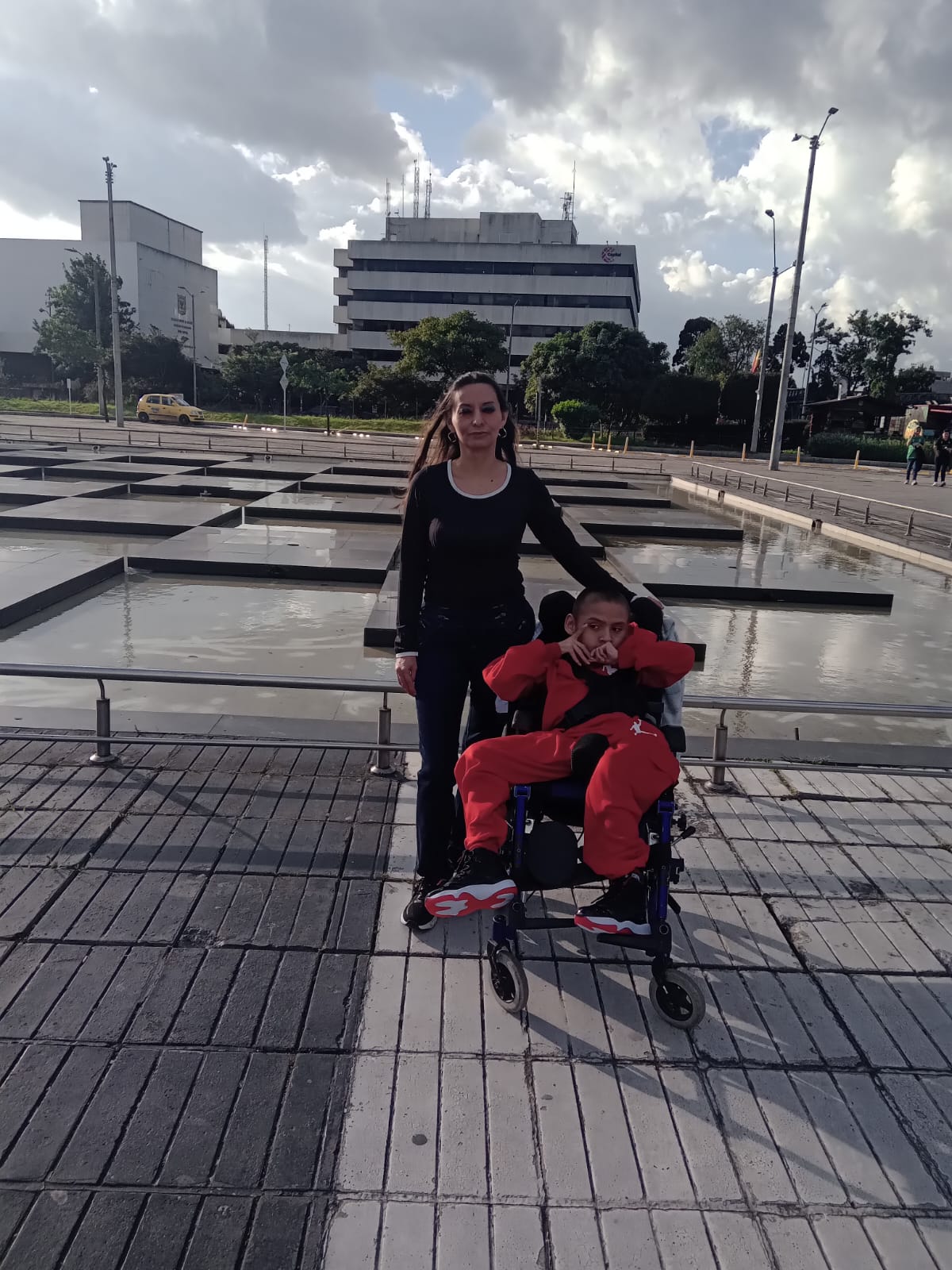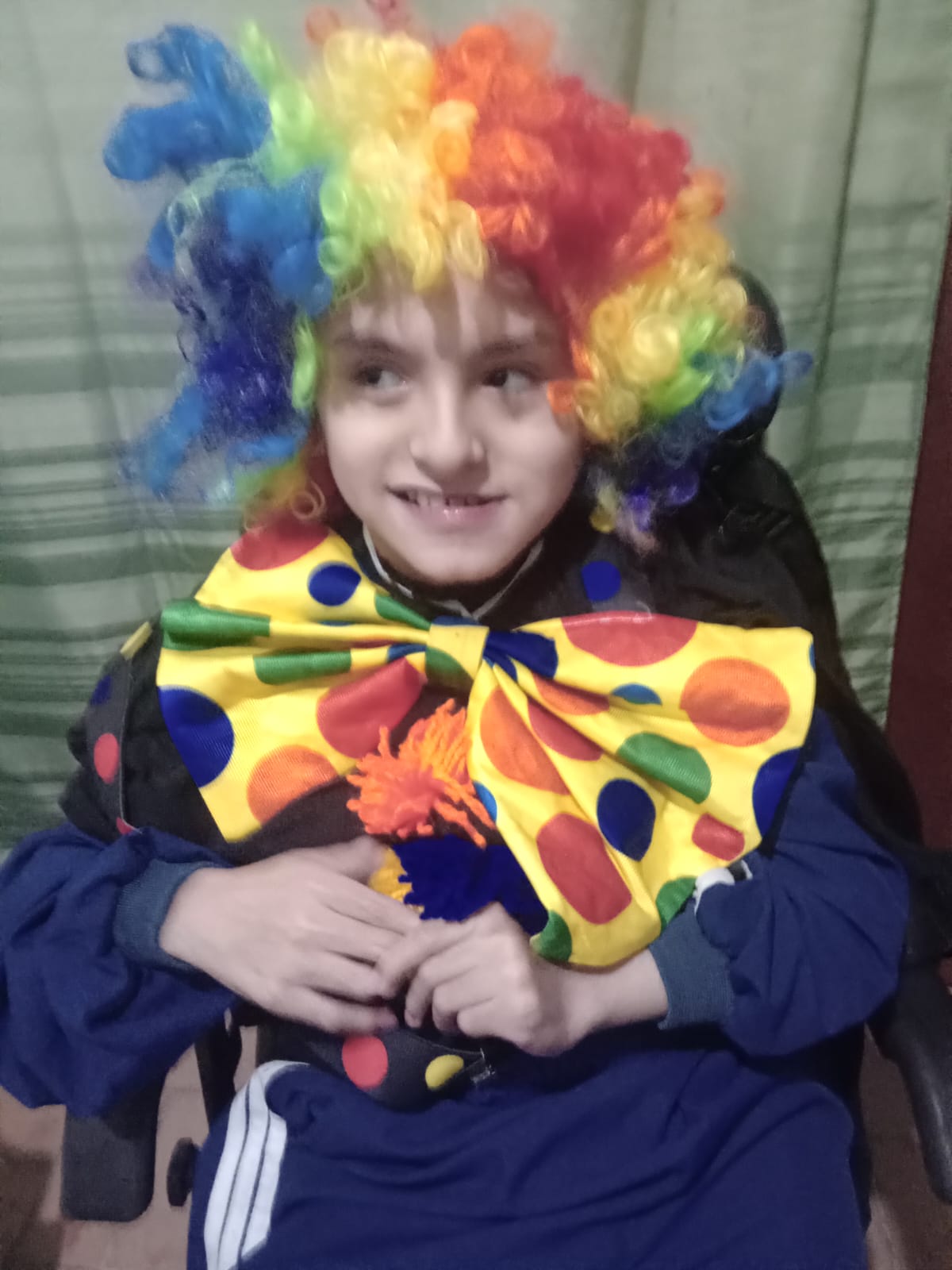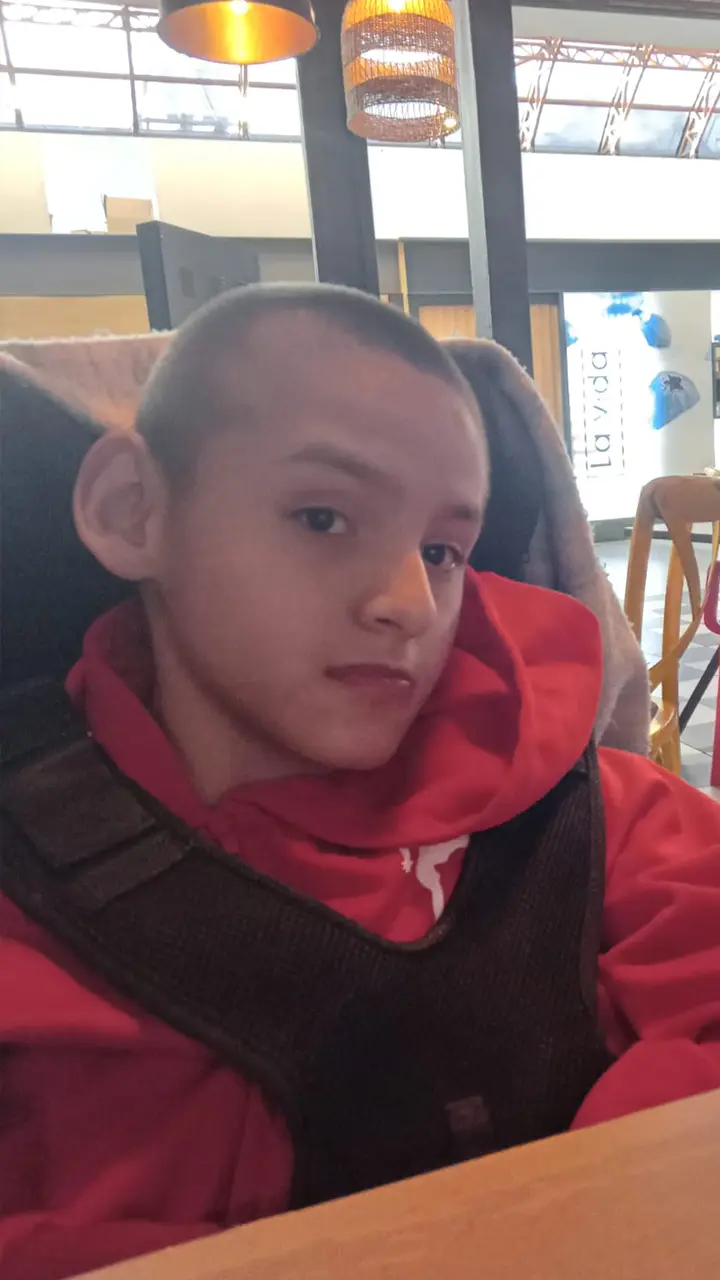
Emanuel Sierra Herrán is a 13-year-old boy who lives in the city of Bogotá with his mother, his 23-year-old brother, and his maternal grandparents. His mother is his full-time caregiver, while his father works as a taxi driver and does not live in the same household.
Emanuel was born prematurely at seven months of gestation because his mother experienced severe preeclampsia during pregnancy. At birth, he weighed approximately 1.20 kilograms and measured 38 centimeters, requiring immediate care in the neonatal intensive care unit, where he remained in an incubator under medical supervision.
During his first days of life, he faced a serious complication known as necrotizing enterocolitis, an infection of the large intestine common in premature babies. Due to this condition, he spent about a month and a half in intensive care on mechanical ventilation while receiving the necessary treatment to stabilize his health.
Subsequently, doctors performed neurological studies, including a brain MRI, which revealed a grade two brain hemorrhage. Over time and through medical follow-up, it was confirmed that Emanuel had spastic cerebral palsy, as well as epilepsy—conditions that have shaped his development and health.
Throughout his growth, he has faced various challenges associated with his condition. He currently also has hip dysplasia, and last year he underwent surgery on his left hip. However, a subsequent dislocation occurred, causing him pain, especially during daily activities such as diaper changes or when he needs to be moved.
Despite these difficulties, his family has remained constantly by his side, providing care, support, and affection. His mother devotes most of her time to his daily care, performing basic leg and arm mobilization exercises at home to help maintain his mobility and well-being within their possibilities.
For his family, having a rehabilitation gym at home would represent a very important tool to strengthen his therapeutic process and provide greater opportunities to improve his quality of life. This type of support would facilitate consistent and safe rehabilitation exercises at home, contributing to his physical well-being and the daily support his mother provides with such effort and dedication.
Emanuel’s story reflects the strength of a family that, despite the challenges of caring for a child with a disability, continues to work with love, hope, and commitment to provide him with the best possible conditions and accompany him through every stage of his life.